How Wazao are made
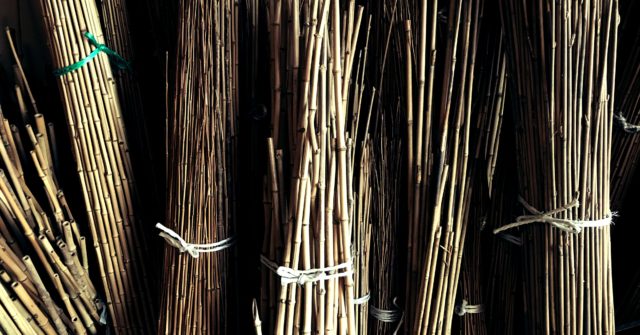
There are 8 different kinds of bamboo used in building a Wazao. Each species of bamboo has its own trait and tendencies. Typically a wazao would consist of 3 to 5 kinds of bamboo to give it the most ideal action for a style of fishing or target fish species.
The Bamboo Species Used
Hotei-chiku 布袋竹, Ya-dake 矢竹, Kuro-dake 黒竹, Ma-dake 真竹, Ha-chiku 淡竹, Suzu-take 篠竹, Marubushi-dake 丸節竹, and Kan-chiku 寒竹
1:Harvest
Bamboo used for wazao and other crafts are typically harvested in winter. Air is drier during the winters of Japan, and there’s less moisture in soil as well. Bamboo in winter are in a semi-hibernation state, and are firmer when harvested in bitter cold temperatures. It is said this firmness also prevents insects from getting into the bamboo.
2:Preparation for Aging
Smaller bamboo would have any remaining sheath (skin) peeled off. Larger bamboo would be branched, and cut to appropriate sizes for aging.
Then they are either polished with damp rice husks, or tempered to extract excess sap.
After all bamboo stems have been polished or tempered, they would be dried in the sun for 2 weeks until most of the green color is gone.
3:Aging
After all preparation work is done, bundles of bamboo stems are put in dry storage to be aged for between 3 to 10 years depending on the kind of bamboo.
This slow drying process is very important for making bamboo stronger and drier.
Dry bamboo is essential for building fishing rods. If the bamboo is not aged well, any tempering (correction of warping or bends) would be ineffective.
4:Rod Designing
Before a rod is built, the shokunin (craftsman) would have to determine how, and what the rod will catch. There’s micro fishing (Tanago-tsuri) which is basically a type of fishing for the smallest fish possible, to decoy fishing (Tomo-zuri) for Ayu (sweetfish), or Iso-zuri (saltwater big game) and many more types of fishing methods and size of a wazao could range from a mere 8 inches to 30 feet.
Once the rod to be built is determined, pieces of bamboo carefully chosen would be rough cut for each section of the rod. Even within the same species of bamboo, each one is unique and different. All come with different patterns and actions, so choosing the “right pieces” will determine the quality of the final product.
5:Tempering & Final Sizing
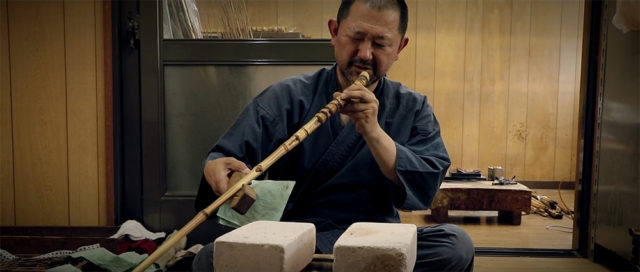
Each section of the rod would now be tempered over heat to be straightened. Working with individually-unique natural material is not easy. The shokunin has to be well trained and experienced to get this job right.
Once all the pieces that will make up the wazao have been tempered and are straight, they can be cut to precise measurements.
6:Joint Fitting
Male ends have to be shaved and sanded, so they can be fitted into receiving ends. The female ends have thread-wraps whipped on the outside for reinforcement, and then little by little, insides are carved out carefully by using traditional carving blades called “yanagi-ba” (willow leaf blade). This is a very sensitive process and has to be done very slowly.
If the female side is carved out too much, this section would have to be remade with another bamboo piece, altering the originally-designed action of the rod.
Final adjustments are made on both male and female ends to ensure the wazao works as a solid rod, with all the sections working together.
7:Urushi Finish
The lengthy procedure of urushi application, is perhaps what makes a wazao, a wazao.
Urushi is the sap from urushi tree which contains resin. This resin, when exposed to moisture and air polymerizes and becomes hard and durable almost like natural plastic.
Only when it’s exposed to direct sunlight for prolonged period of time does urushi eventually deteriorate.
It can be applied over just about any type of material, and it will preserve it.
There are many crafts that are finished with urushi which are centuries old, but look completely new, except for its old fashioned designs.
Japanese urushi is often translated or referred to as “lacquer”, but it simply will not translate the value of it. We believe it should be understood and known as “urushi”.
8:Finish Work
The wazao is checked for any flaws, polished thoroughly and is put over heat (tempered) for the last time, to make the final adjustments. Then the logo is either burned or engraved, and ready to be sent to each client.