Spirit of the “Wazao” 和竿

wazao
/wa’zao:/ (wa’sao)
noun
a handcrafted traditional Japanese bamboo fishing rod.

In a country surrounded by seas and oceans, with more than 20,000 mountain streams  and vast numbers of ponds and lakes, fishing to the Japanese means more than just “catching fish”.
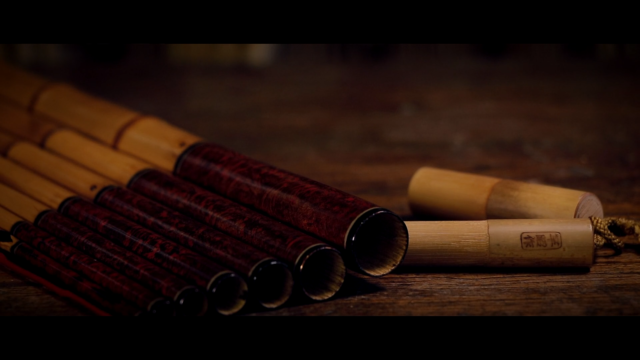
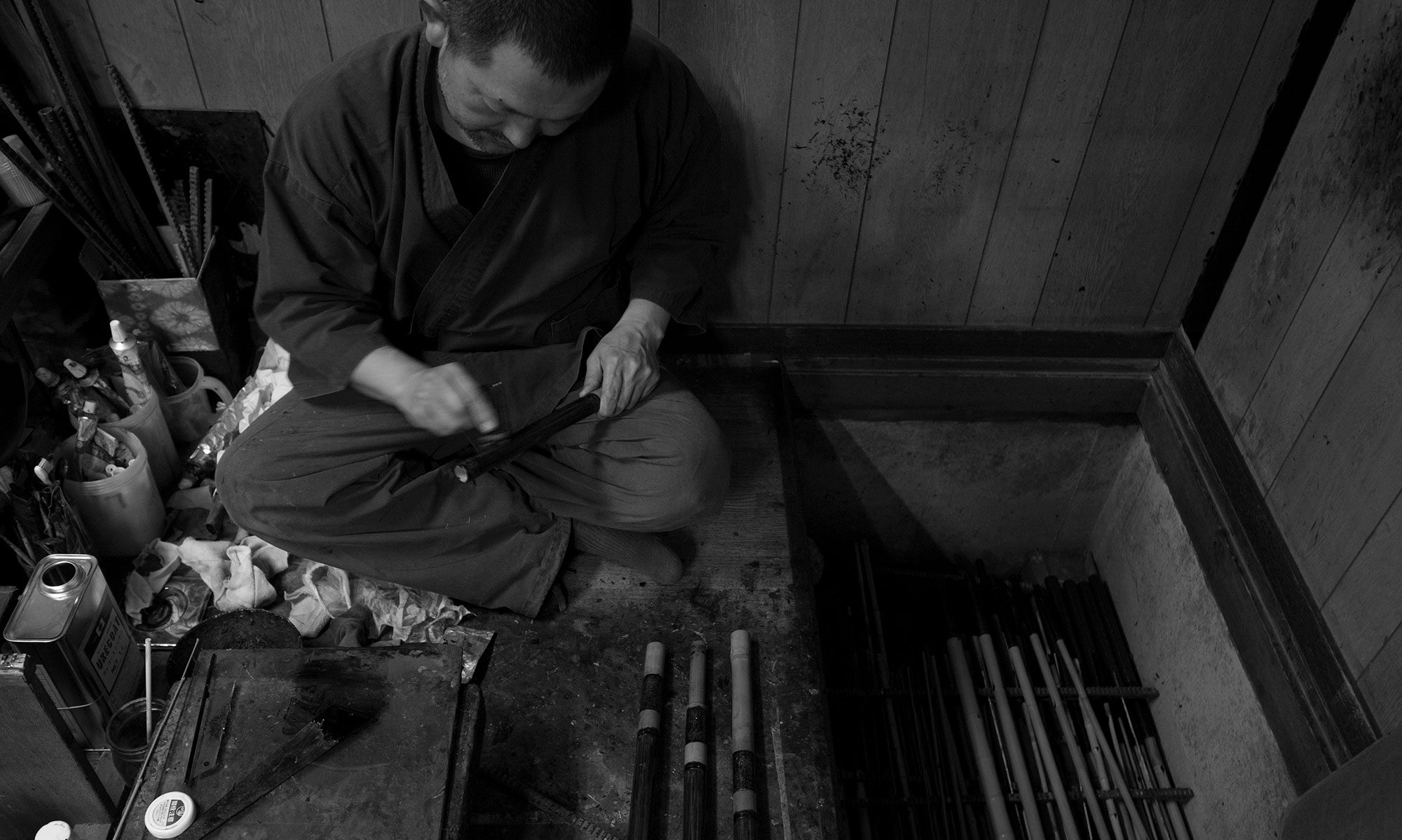
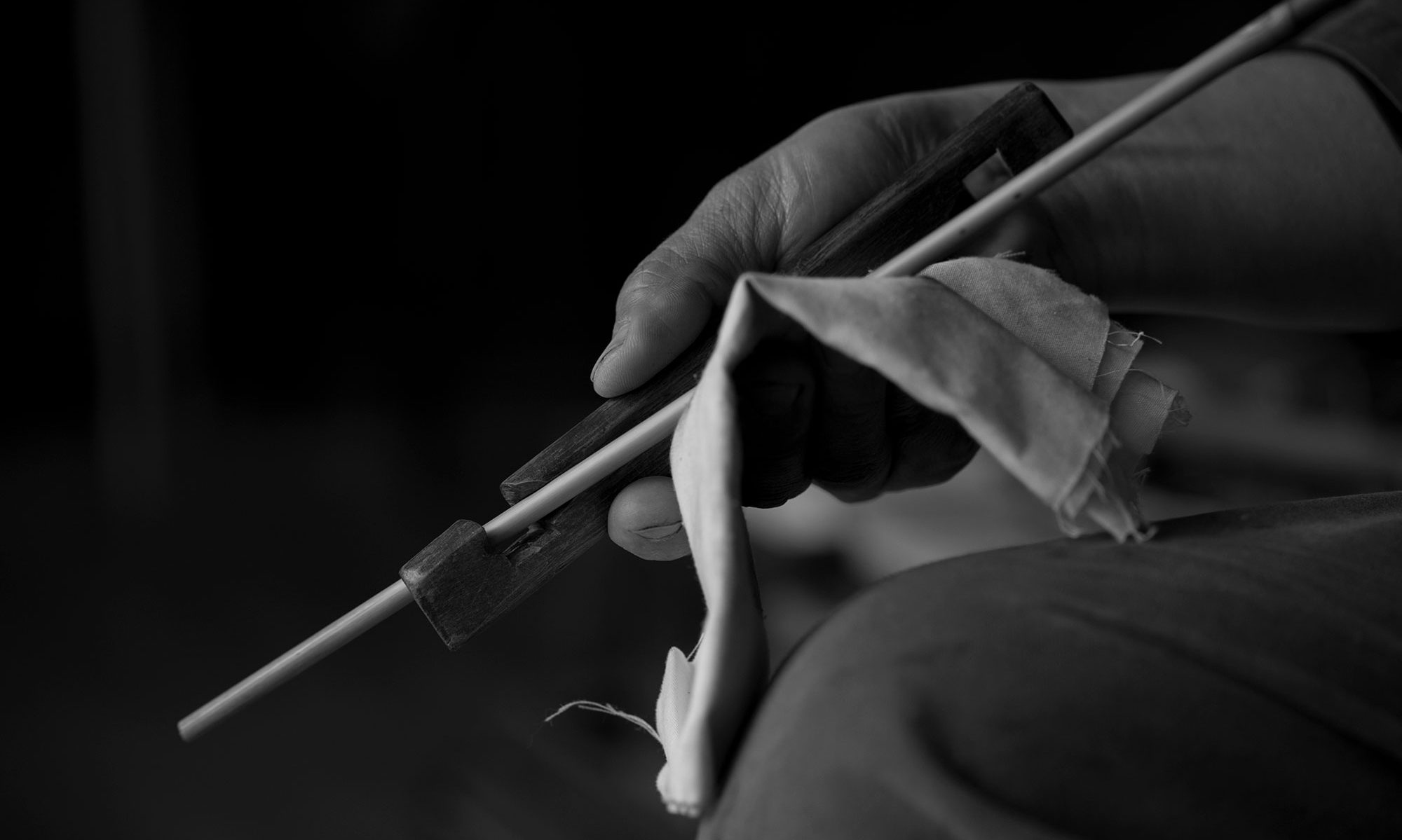
A wazao, is a tool invented to maximize the pleasure of the act of catching fish. Wazao construction is an “art form”. These works of art are the traditional, whole (not split) cane rods made by an increasingly rare breed of master craftsmen known as the “wazao shokunin”. Each rod is unique and is created using the centuries-old disciplines of tempering and working bamboo along with painstaking application of “Urushi”.
Once the layers upon micro-thin layers of lacquer are built up over many weeks, or even months – a beautiful, glossy and perfectly balanced rod that shows the true beauty and perfect function of the natural materials is made. The plant-sap lacquer protects against moisture, physical damage and can preserve a natural material such as wood or bamboo for centuries.
The Wazao Experience

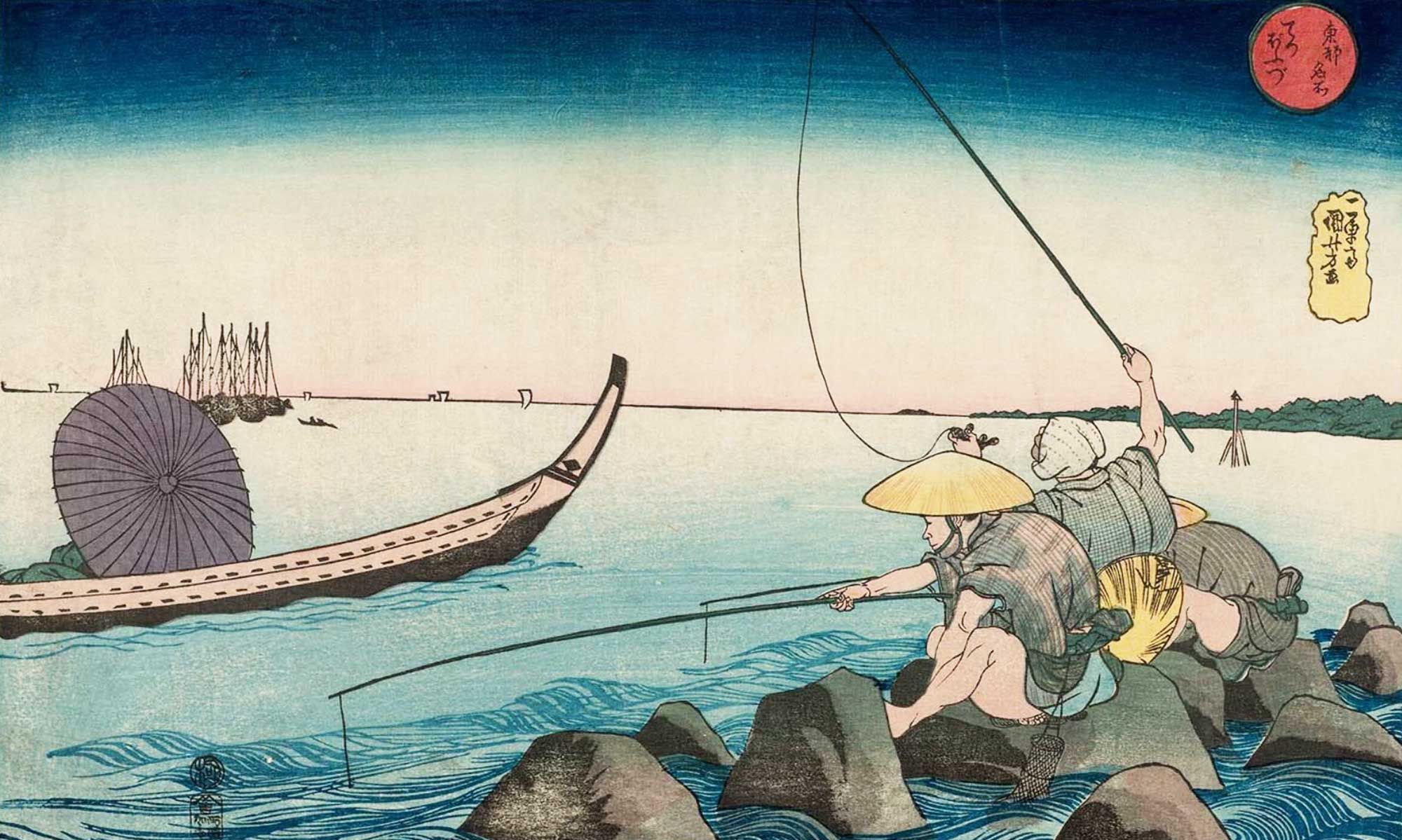
The Japanese figured out ways to “maximize” the experience of catching fish with bamboo rods centuries ago. This tradition is still cherished today. Perhaps availability of high-quality fishing lines and hooks of the modern era have made fishing with bamboo rods even more exciting than ever. Modern high tech rods are certainly popular, but many avid anglers of Japan return to bamboo rods for the unforgettable “taste” of the experience.

Japanese Bamboo

Durable, Lightweight and Fast-Maturing Biodegradable Material


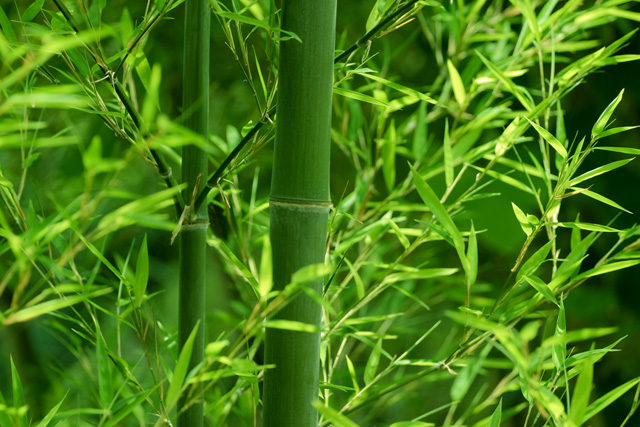
Bamboo is very strong, lightweight, easy to work with and biodegradable. Most bamboo species mature within 10 years. Some can grow more than 3 feet in a single day. From bamboo skin, leaves to shoots, bamboo has been an important material for the Japanese since the ancient times.

Japanese Bamboo in Edison’s Great Invention


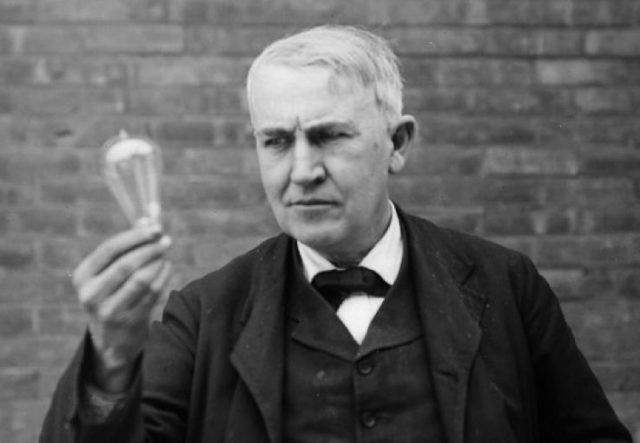
Light bulb is one of the most important inventions of the mankind which was introduced by Thomas Edison in 1879. After many months of research and testing, Edison found that a filament made of Japanese bamboo could burn for over 1200 hours – greatly surpassing any other material tested before. Within a year, manufacturing of commercial lamps began and the bamboo from Japan continued to brighten the world for the next decade.

Strong Yet Flexible


Japan’s status as a disaster prone nation, helped develop strong yet flexible bamboo trees.
Japan is a nation which experiences thousands of earthquakes, and many, many typhoons every year. Those conditions created a natural selection for bamboo plants that were stronger, while remaining flexible and lightweight. Of course, that combination of characteristics make their stems a perfect material for fishing rods and much more.
Japanese anglers have enjoyed fishing with bamboo for centuries and even today, the experience of fishing with Wazao is a privilege reserved for those who are truly dedicated to fishing.